
ENGINE COOLANT
E2-4prose procedurePREPARATION
SST
49 9200 145
NameAdapter set, radiator cap tester
UsageFor inspection of cooling system pressure
49 9200 146
NameAdapter A (Part of 49 9200 145)
UsageFor inspection of cooling system pressure
INSPECTION
WARNING
Removing the radiator cap or the coolant filler cap while the engine is running, or when the engine and radiator are hot is dangerous. Scalding coolant and steam may shoot out and cause serious injury. It may also damage the engine and cooling system.
Turn off the engine and wait until it is cool. Even then, be very careful when removing the cap. Wrap a thick cloth around it and slowly turn it counterclockwise to the first stop. Step back while the pressure escapes.
When you're sure all the pressure is gone, press down on the cap — still using a cloth — turn it, and remove it.
Coolant Level (Engine Cold)
- 1Verify that the coolant level is near the filler neck of the radiator.
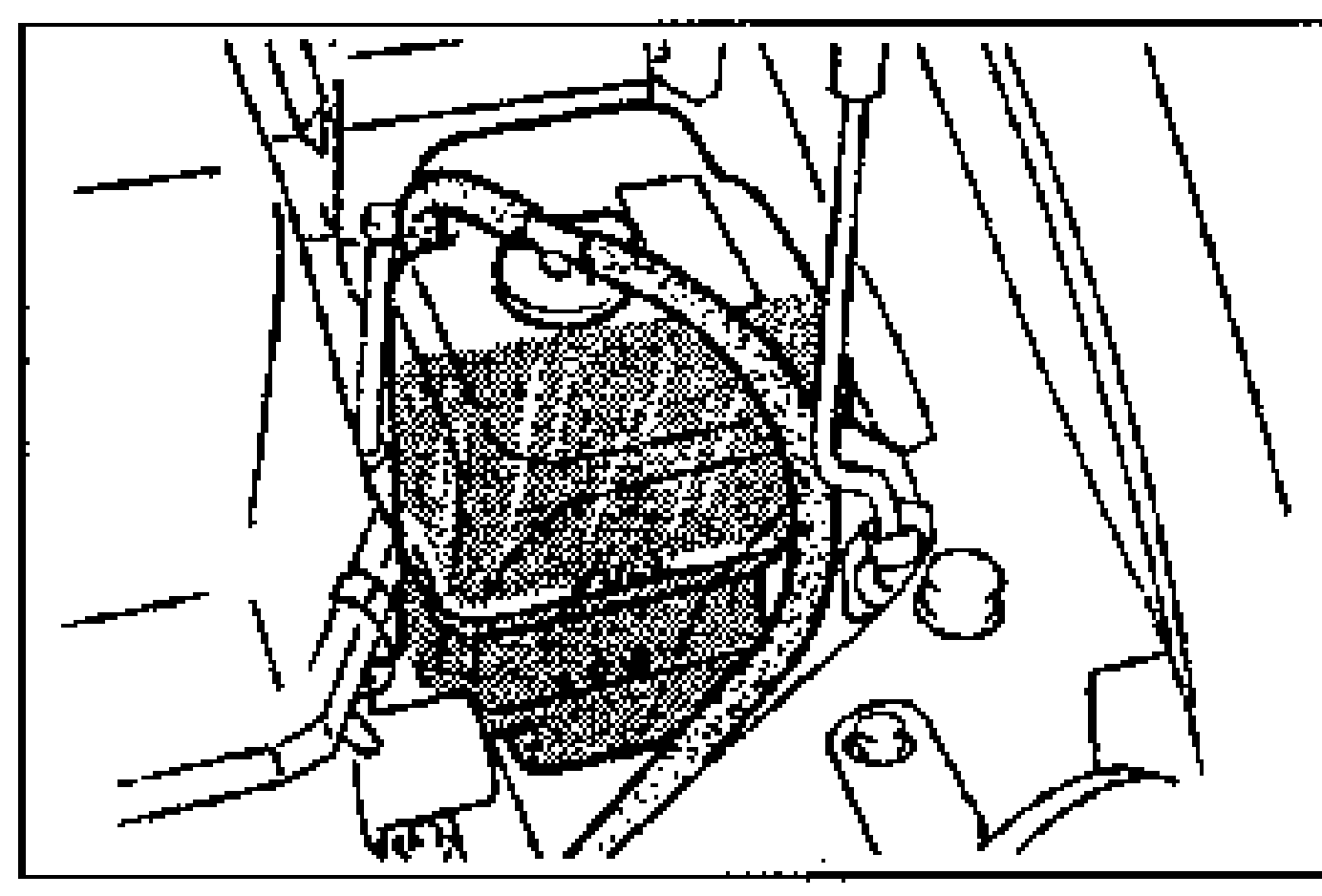
- 2Verify that the coolant level in the coolant reservoir is between the FULL and LOW marks. Add coolant if necessary.
Coolant Quality
- 1Verify that there is no buildup of rust or scale around the filler cap and filler neck.
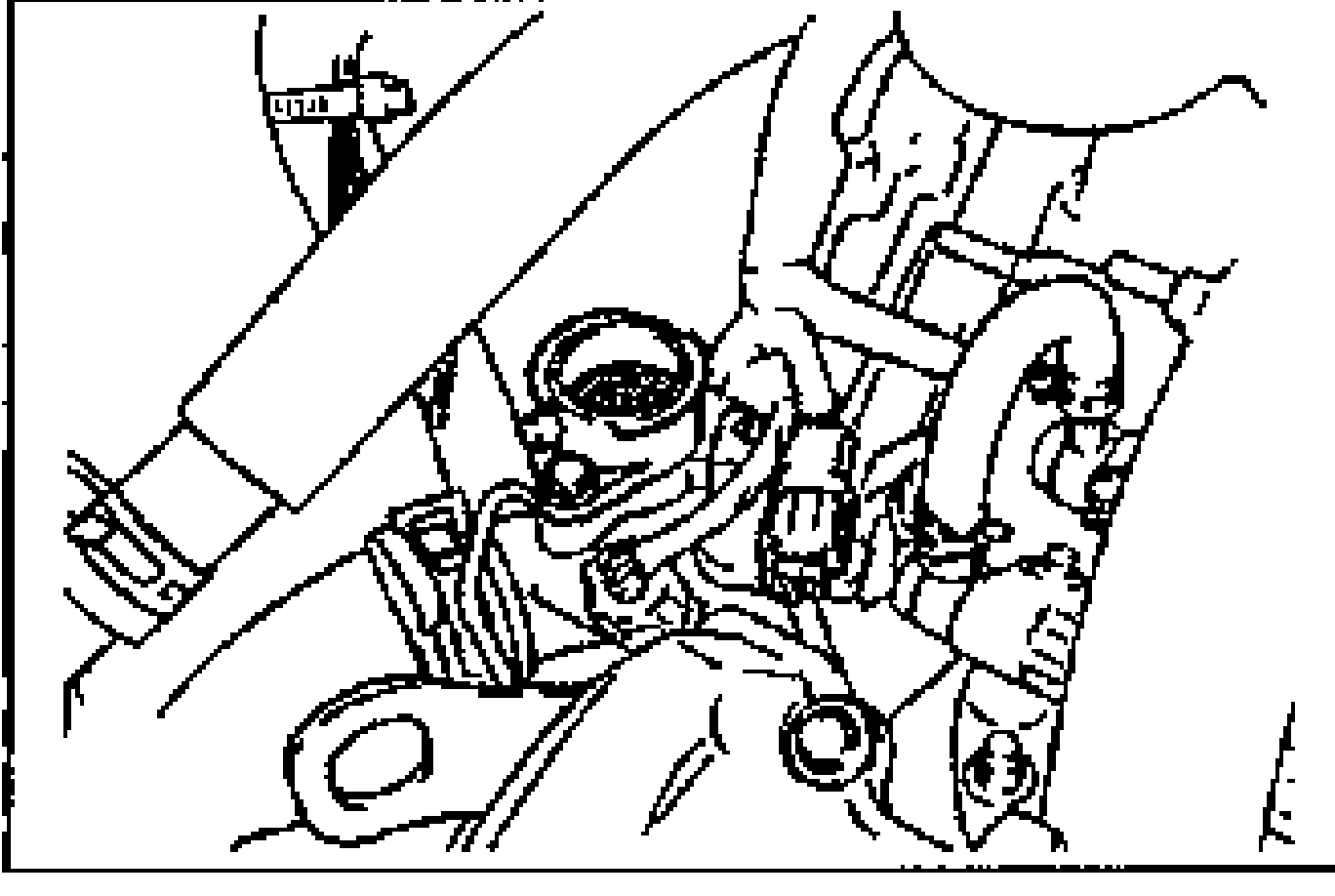
- 2Verify that the coolant is free of oil. Replace the coolant if necessary.
Coolant Leakage
- 1Remove the fresh-air duct.
- 2Connect a radiator tester and the SST to the radiator filler neck.
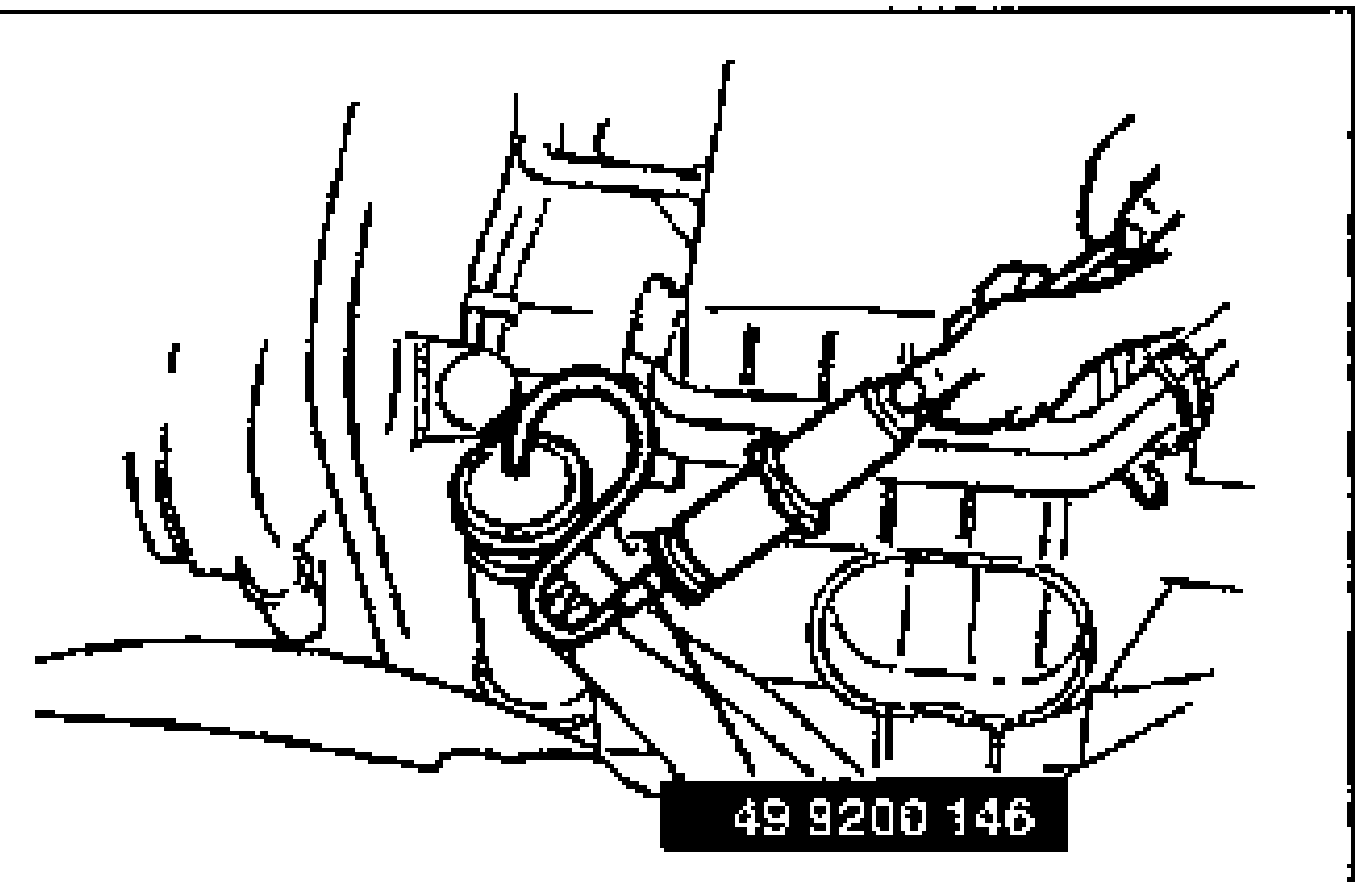
- 3Apply 103 kPa {1.05 kgf/cm2, 15 psi} pressure to the system.
- 4Verify that the pressure is held. If not, check for coolant leakage.Caution: Applying more than 103 kPa {1.05 kgf/cm2, 15 psi} can damage the hoses, fittings and other components, and cause leaks.
CAUTION
Applying more than 103 kPa {1.05 kgf/cm2, 15 psi} can damage the hoses, fittings and other components, and cause leaks.